

Pope Leo receives NSK monograph spotlighting Croatia’s earliest printed books
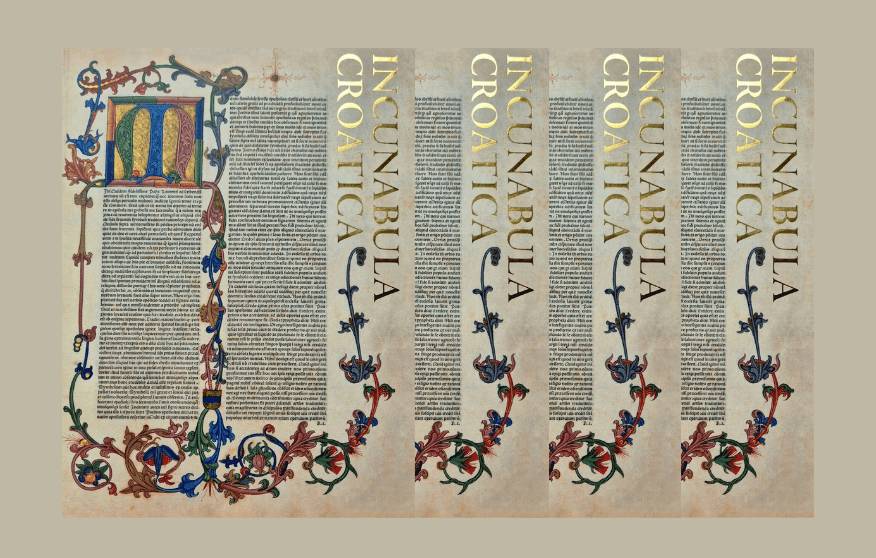
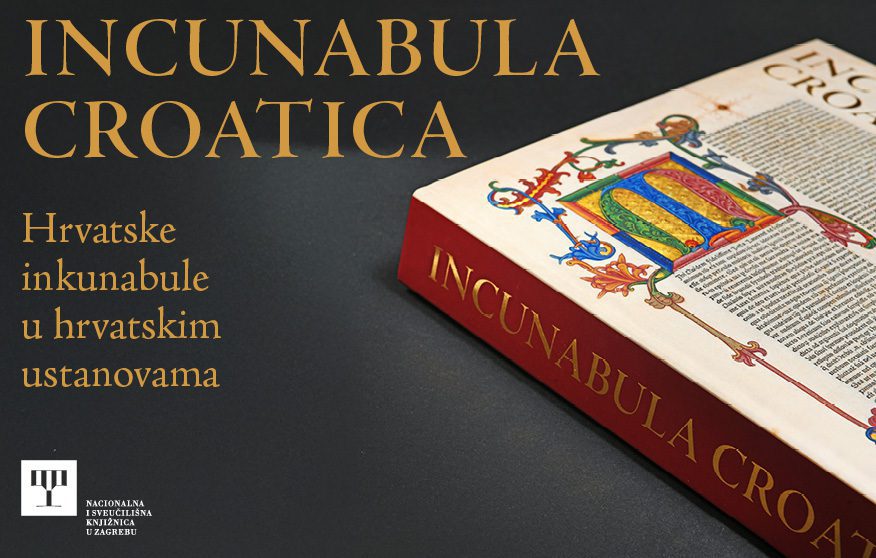
On 5 December 2025, Pope Leo XIV received from the Croatian Prime Minister Andrej Plenković a copy of Incunabula Croatica, a 2025 monograph of the National and University Library in Zagreb (NSK) spotlighting Croatia’s earliest printed books.
Prime Minister Plenković gave this unique publication as a gift to the Holy Father on the second day of his visit to the Vatican, as a lasting testimony of the wealth and centuries-long continuity of Croatian cultural heritage.
Issued as part of a major publishing project supported by the Croatian Ministry of Culture and Media and the Adris Foundation, the monograph presents 180 copies of 96 Croatian incunabula, held by 40 institutions. Featuring three research studies and a comprehensive bibliography, it includes each copy’s detailed description and QR codes for accessing the incunabula that have been digitised so far on the Library’s Incunabula Croatica website.
During a similar meeting this November with the President of the Republic of Croatia Zoran Milanović, the newly elected Pope received a facsimile edition of the most famous Croatian incunabulum (Misal po zakonu rimskoga dvora; Missale Romanum glagolitice), whose two original copies are the pride of the NSK Manuscripts and Rare Books Collection. Published in 2023 as a result of the Library’s cooperation with the Old Church Slavonic Institute, Chakavian Assembly in Roč and the Mozaik knjiga publishing company, the edition was issued as a way of marking the 540th anniversary of the missal’s printing in 1483.
Incunabula Croatica – the fruit of decades of research and institutional cooperation
Bringing data collected as part of the Library’s years-long project (Hrvatski prvotisci: popis i opis prvotisaka u hrvatskim svjetovnim i crkvenim ustanovama), Incunabula Croatica also includes the findings of prominent researchers of the earliest Croatian printed books since the 19th century.
Its preparation was also the result of the painstaking work and in-depth research undertaken by a great number of library professionals and heritage experts and the effective cooperation involving dozens of Croatian institutions, many of them religious.