Celebration marking the inclusion of an old Croatian script in Croatia’s registry of cultural property
On 26 April 2024, the National and University Library in Zagreb (NSK) hosted a special programme celebrating the inscription of a centuries-old Croatian script on Croatia’s registry of cultural property as intangible cultural heritage.
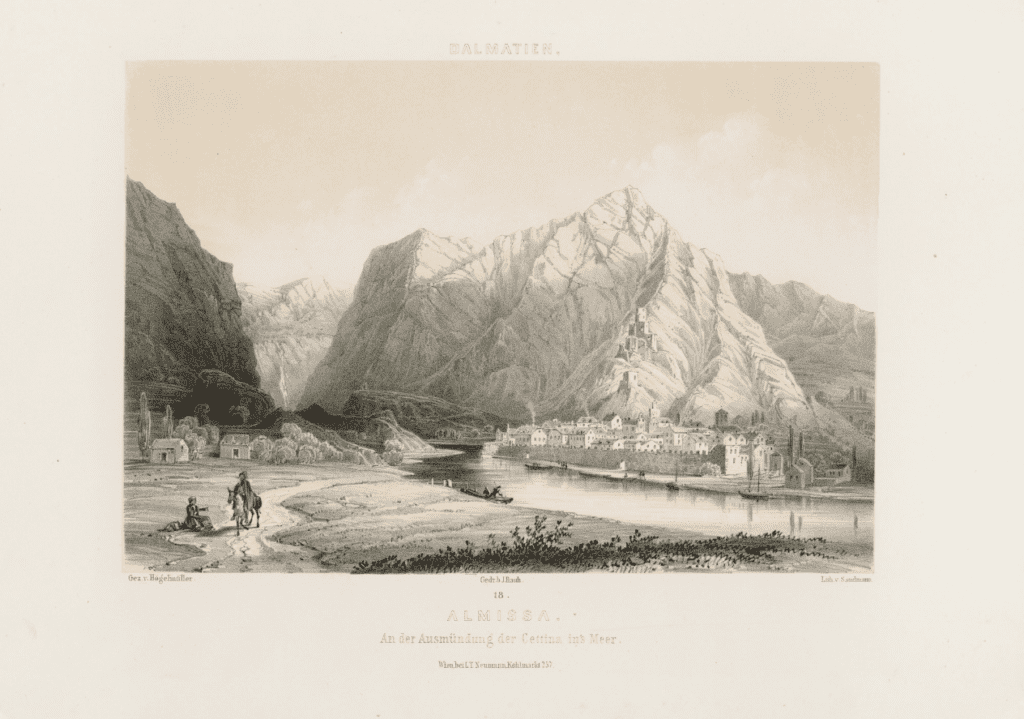
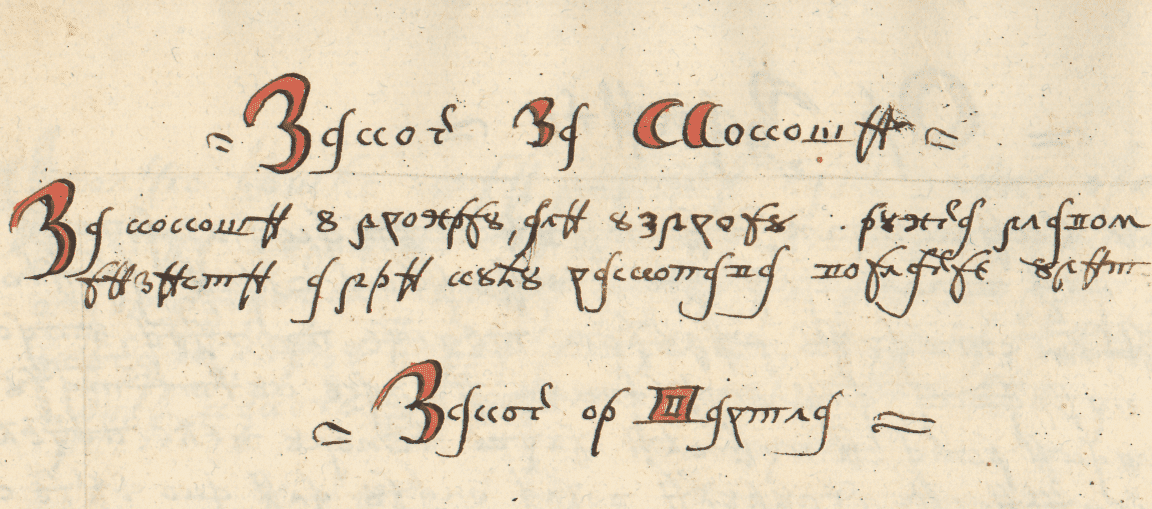
Gaining its official status as Croatia’s protected intangible cultural heritage in November 2023, the script has been in use since the 11th century in Poljica, Croatia’s historical region to the south of Split, between the Žrnovnica and Cetina rivers, from which the script takes its name (poljičica, meaning “the Poljica script”, in Croatian also known as poljiška bosančica, poljiška azbukvica, arvatica).

Joining forces in the preservation and promotion of cultural heritage
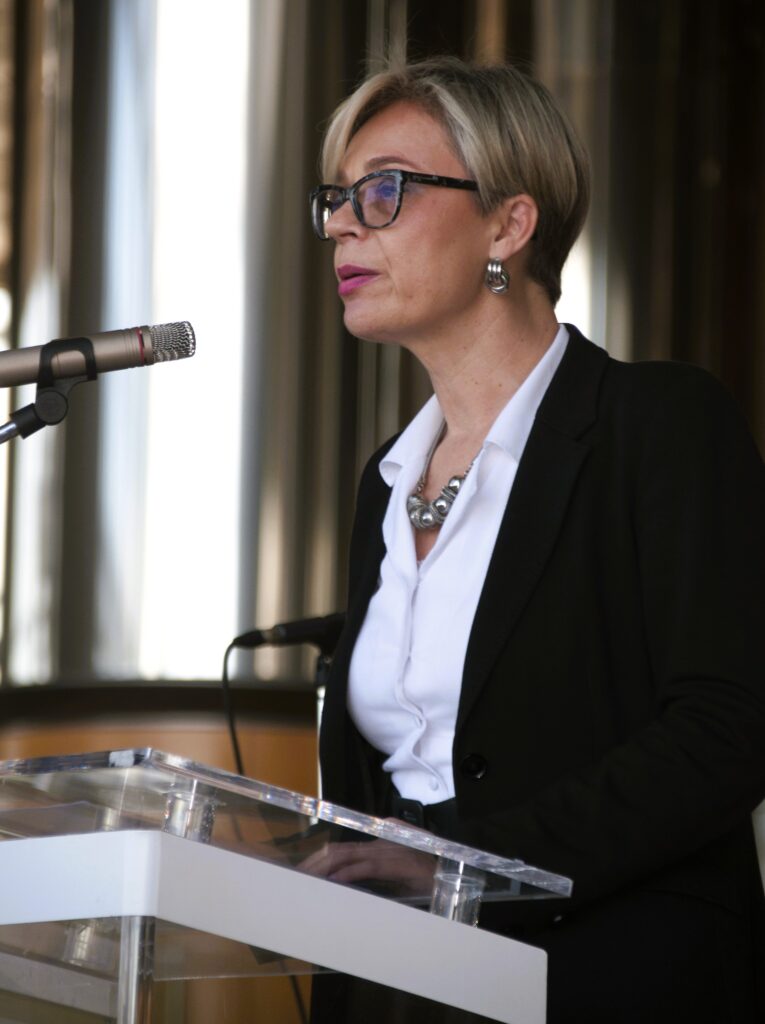
Organised by The Poljica Alliance (Savez za Poljica), owing to whose enthusiasts and the representatives of the Srinjine Primary School the script has been officially recognised, the programme opened with the welcome address by the Library’s Director General Professor Ivanka Stričević. After an address by the Envoy of the Mayor of Zagreb and Head of the Zagreb Institute for Cultural and Natural Heritage Conservation Lana Kanižaj, a distinguished member of the Alliance Dario Radović presented the Alliance’s efforts for the preservation of the Poljica script and other segments of Poljica’s rich cultural heritage.




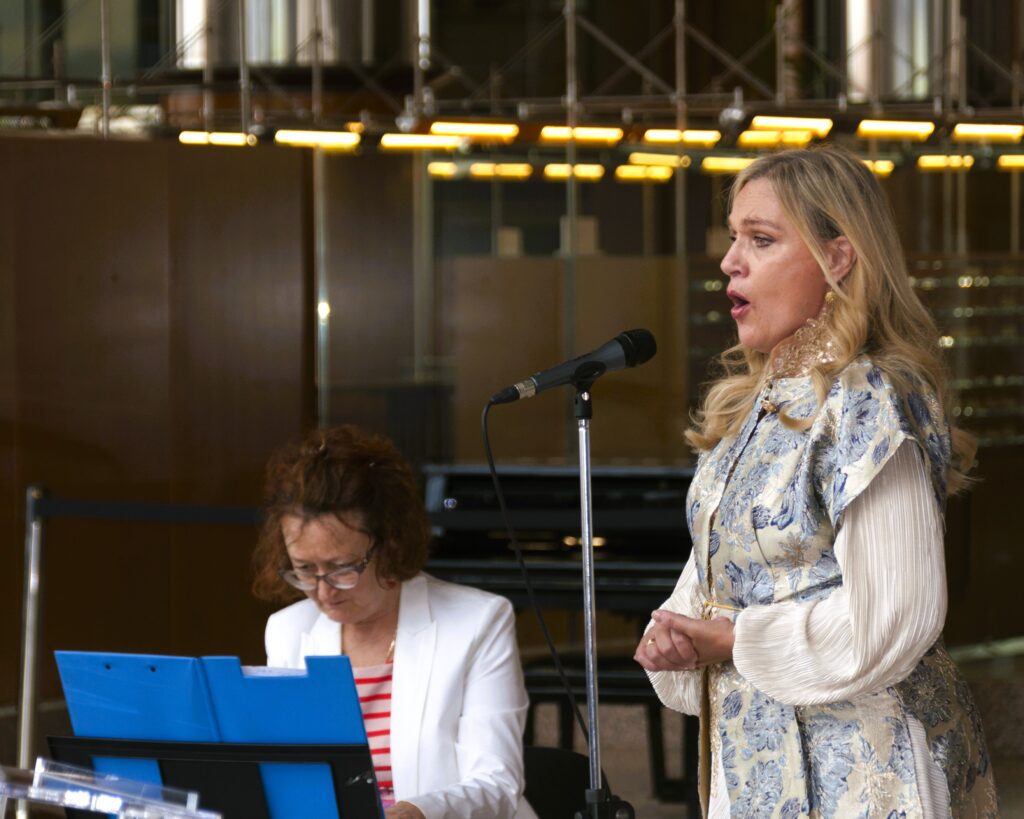
Featuring a presentation by the President of the Alliance Ante Mekinić about the history of Poljica, which particularly boasts its legacy of a sort of a rural democracy as the 11th-19th-cenutry Principality of Poljica, and about the history, use and the development of the Poljica script by the Fellow of the Croatian Academy of Sciences and Arts Mateo Žagar, the programme also included the performance by mezzosoprano Terezija Kusanović of a part of the famous Croatian opera spotlighting Poljica’s 16th-century heroine Mila Gojsalić and an innovative presentation by the students of the Jure Kaštelan Secondary School in Omiš putting the Poljica script in the context of contemporary hairstyling art.


The Poljica Statute – an invaluable treasure in NSK’s collections
Standing out among the resources related to Poljica’s cultural heritage displayed as part of a one-day exhibition which the Library put on as part of the celebration was the 1670 transcript preserved in its Manuscripts and Old Books Collection of The Poljica Statute, whose first articles date back to 1440. Having been considered by some as one of the possible sources for Thomas More’s Utopia (1516), this historic Croatian legal document has been translated into English, German, Russian and Spanish.
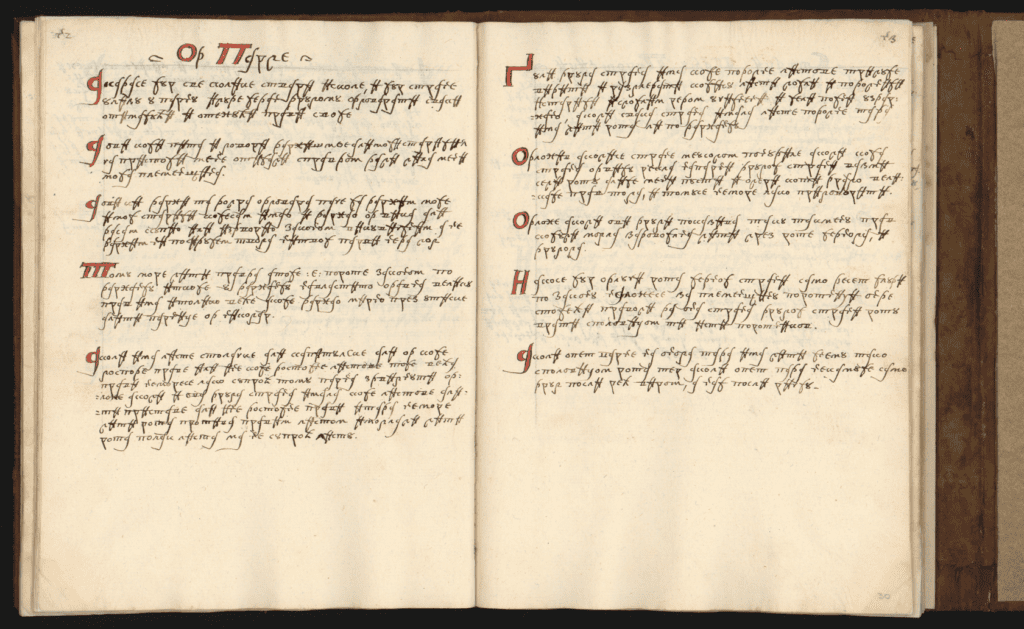
Other material featured as part of the exhibition included valuable items from the Library’s Map, Music and Print collections on or illustrating the Poljica script, the historical region in which it originated and the history of its development and use.